CONSULTING, CAPACITY, CONTROL:
FOREIGN ACTORS
IN ARAB PUBLIC POLICY
This workshop explores how growing reliance on large multinational consulting firms is reshaping policymaking and institutional capacity across the GCC and the wider Arab region. It examines how external consultancies can influence national priorities, limit local knowledge development, and create structural dependency — especially in sectors such as public administration, energy, economics, and education reform.
Rather than framing the issue as a simple “for or against consultants” debate, the workshop critically analyzes when external consulting adds value, when it weakens local capacity, and how decision-makers can regain strategic control. A central theme is how to strengthen domestic expertise — universities, think tanks, research centers, and local professionals — so they become active partners in policymaking rather than passive recipients of foreign advice.
Sessions address real-world cases: the role of consultants in oil and sustainability strategies, their involvement in education reform, and how external actors shape urban planning and development agendas
Participants discuss power dynamics, accountability, and the risks of transferring decision-making to institutions that do not operate within local social, economic, and political realities.
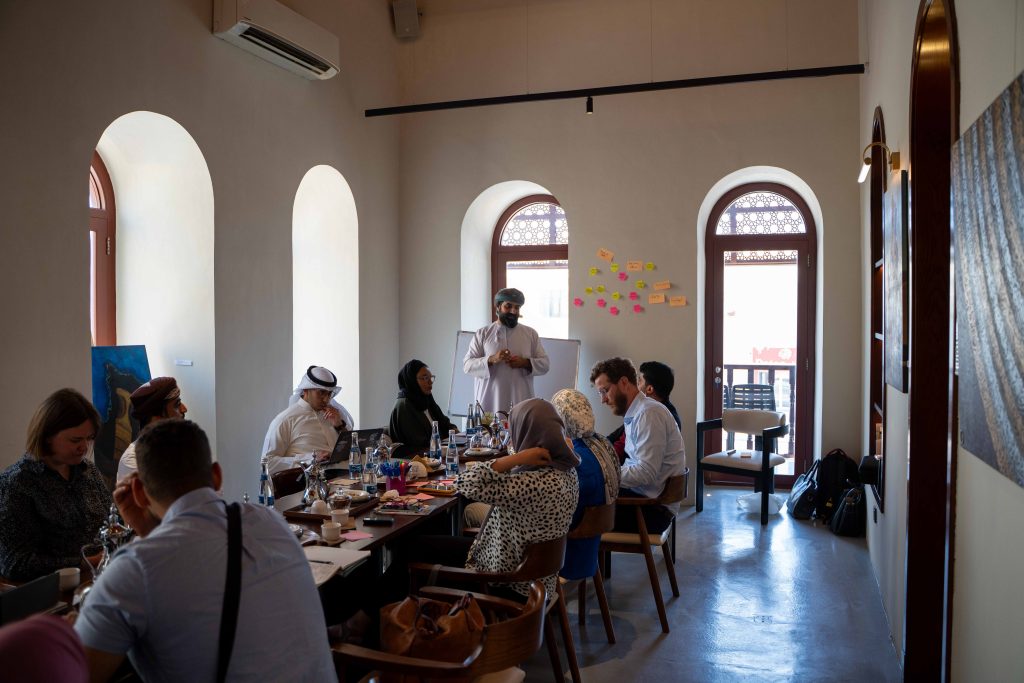
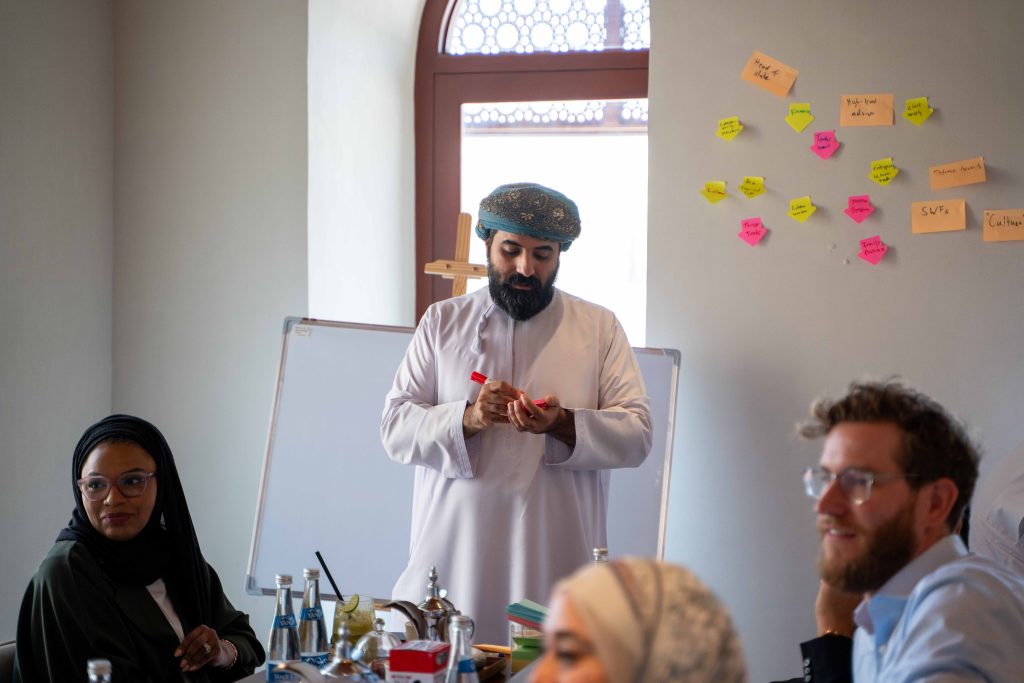
The workshop is designed not just as an academic exercise, but as a space for co-creation. Working sessions focus on developing practical frameworks for transitioning from dependency to leadership — including models for collaboration, knowledge transfer, capacity-building, and integrating local expertise into government processes.
A major outcome of the workshop is the launch of a joint publication project that will synthesize insights, case studies, and policy proposals. The goal is to help governments and institutions move toward more sovereign, knowledge-driven policymaking — where external expertise becomes a tool, not a substitute, for local capability.