ICCEET 2026 – Majan Council Panel at University of Nizwa
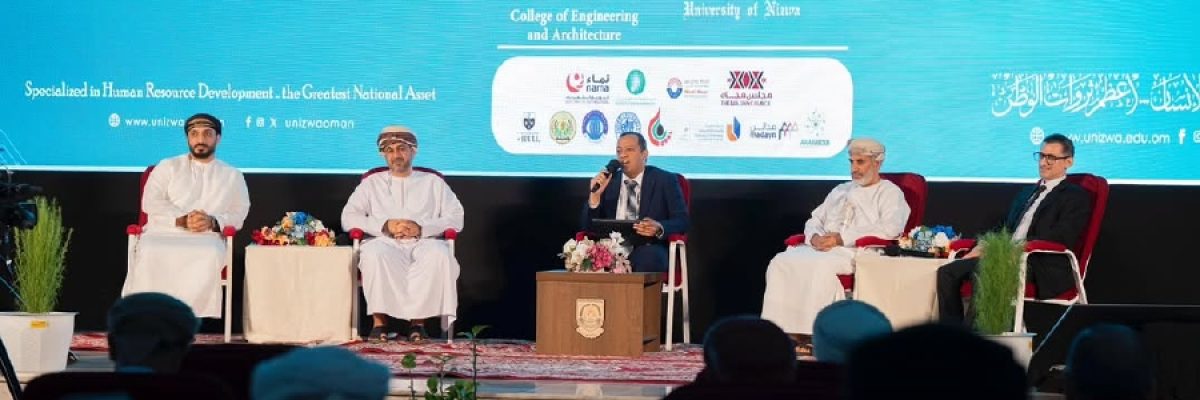
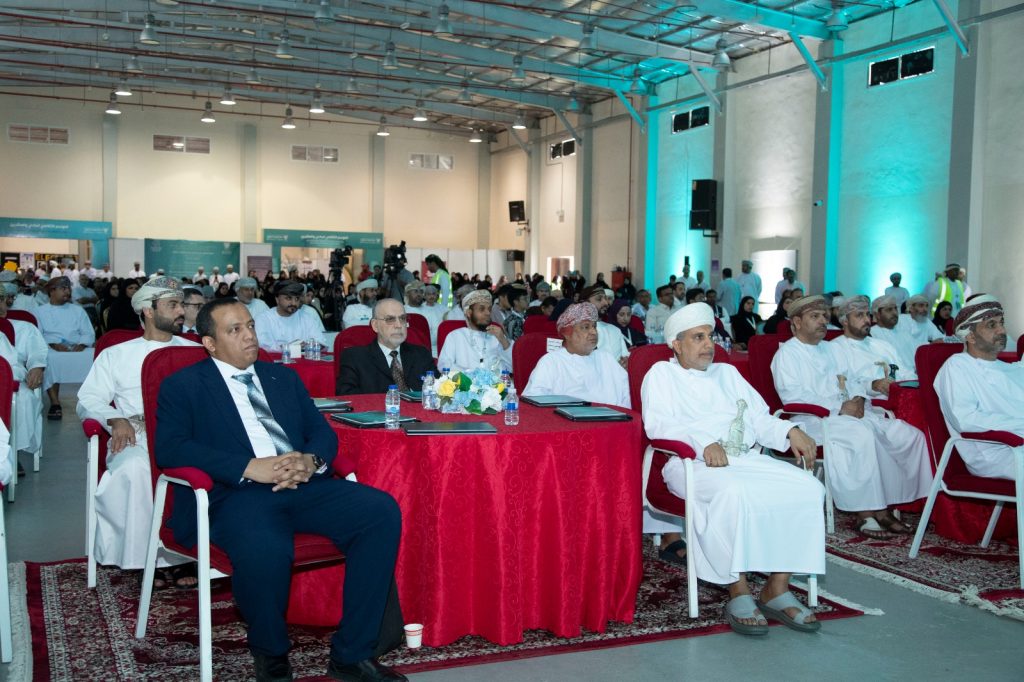
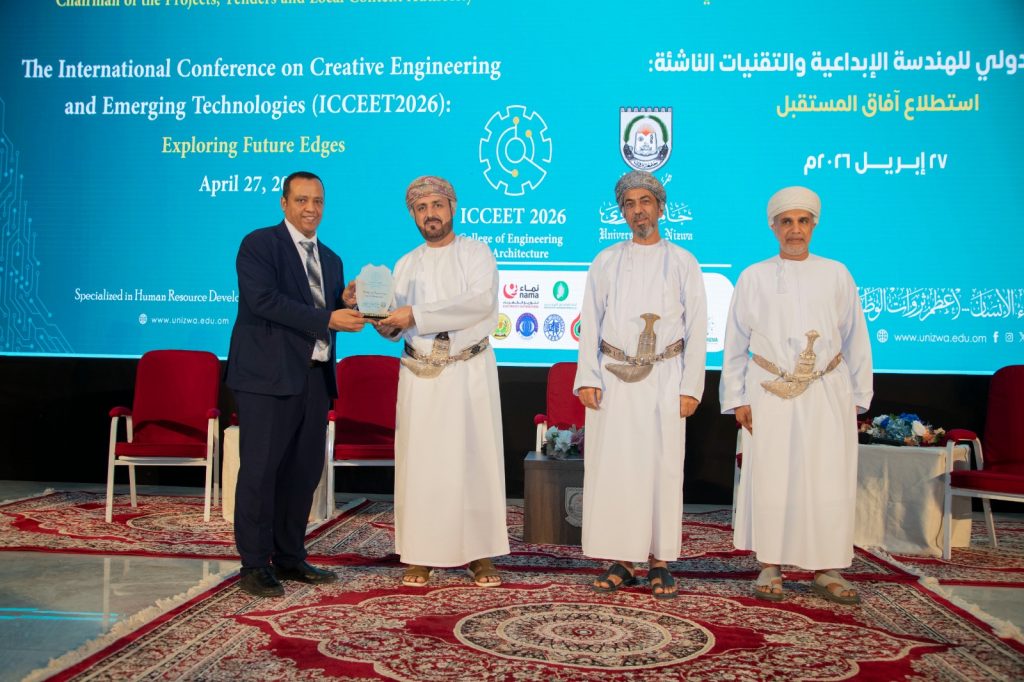
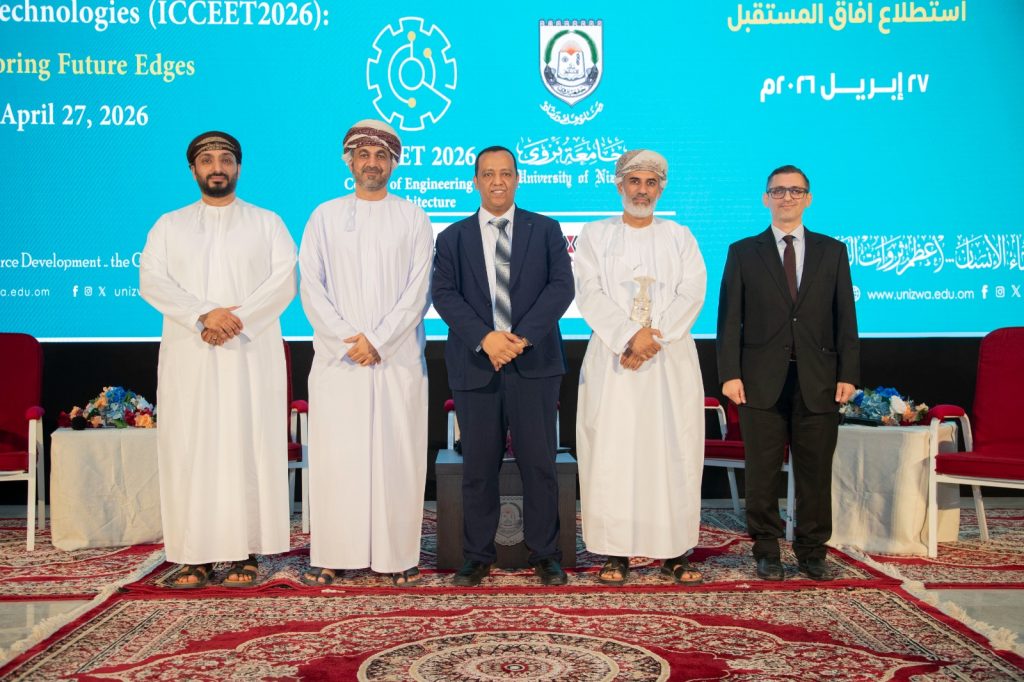
As part of the International Conference on Creative Engineering & Emerging Technologies (ICCEET 2026), hosted at the University of Nizwa, the Majan Council for Foresight, Strategic Affairs, and Energy co-organized a high-level panel discussion titled: “Green Industrialization and the Knowledge Economy in Oman: Policy, Innovation, and Skills for Economic Diversification.” The panel brought together leading experts from across the energy, sustainability, and academic landscape to examine how Oman can strategically position itself within emerging green industrial systems. The discussion was framed around the growing need to align national policy frameworks, industrial capabilities, and knowledge systems in order to support a more resilient and diversified economic model.
A central theme of the session was the role of green industrialization as a driver of long-term economic transformation. Participants highlighted how sectors such as renewable energy, hydrogen, and sustainable manufacturing can serve not only as engines of growth, but also as platforms for building local capabilities, creating meaningful employment opportunities, and enhancing technological depth within the economy.
The discussion also emphasized the importance of bridging the gap between education outcomes and labour market needs. Panelists explored how universities, training institutions, and industry actors can collaborate more effectively to ensure that workforce development pathways are aligned with future skills demand, particularly in technically intensive and innovation-driven sectors.
In addition, the session addressed the critical role of research and development (R&D) and applied innovation in enabling industrial competitiveness. Speakers highlighted the need for stronger linkages between academia and industry, as well as the importance of creating ecosystems that support experimentation, knowledge transfer, and the commercialization of emerging technologies.
The panel further explored the importance of moving beyond fragmented approaches toward integrated systems where policy, industry, and academia evolve together. This systems-based perspective was identified as essential for translating strategic ambitions into practical, scalable outcomes that can support Oman’s transition toward a more sustainable and knowledge-based economy.
This engagement also marked the launch of the Majan Dialogue Series on Green Industrialization, a strategic platform designed to convene policymakers, industry leaders, and researchers around key questions related to industrial transformation, economic diversification, and workforce development in Oman and the GCC.
The session was moderated by Dr. Abdulrahman Baboraiq, Executive Director of the Majan Council, and featured contributions from distinguished speakers representing key national institutions and industry stakeholders. Their insights reflected a shared recognition of the need to strengthen collaboration, enhance policy coordination, and invest in human capital as foundational pillars of Oman’s future economic trajectory.