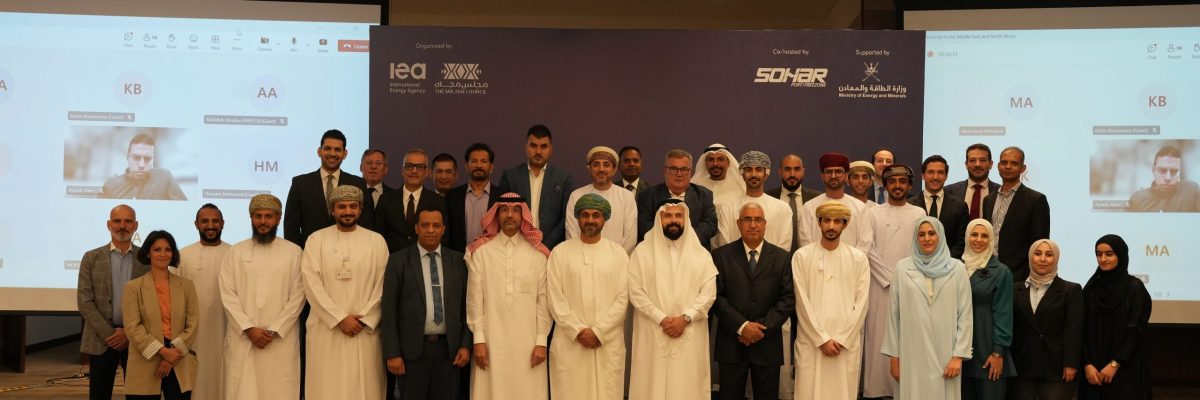
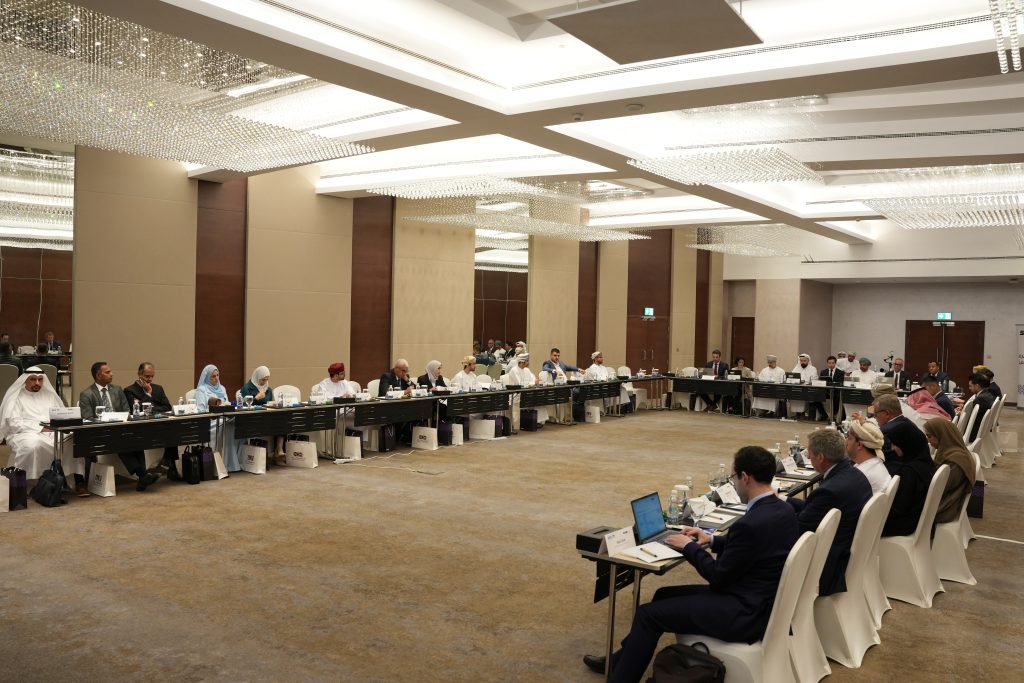
The workshop addresses how countries in the Middle East and North Africa can manage rapidly growing electricity demand while improving energy security and integrating more renewables. Although MENA is a major global supplier of oil and gas, the region is also becoming a fast-growing energy consumer — especially in electricity, driven by population growth, higher incomes, extreme heat, cooling needs, and desalination.
Today, nearly 90% of regional electricity is generated from fossil fuels, creating economic opportunity costs as large volumes of oil and gas are diverted from export markets. Despite world-class solar potential, renewables still represent a small share of the power mix — though ambitious plans now aim to triple renewable capacity by 2030.
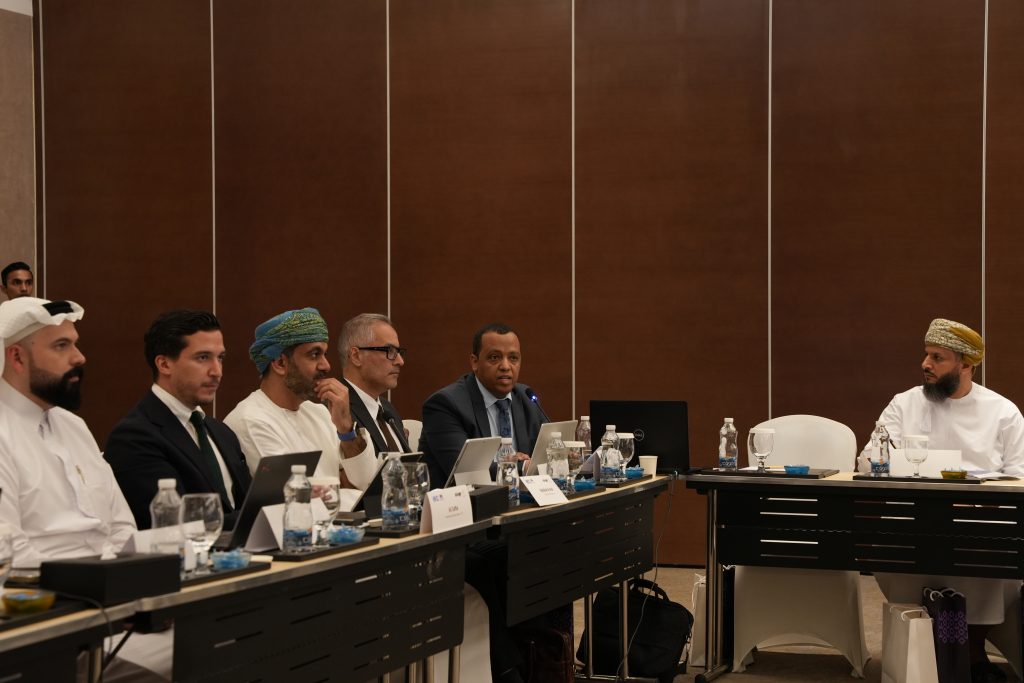
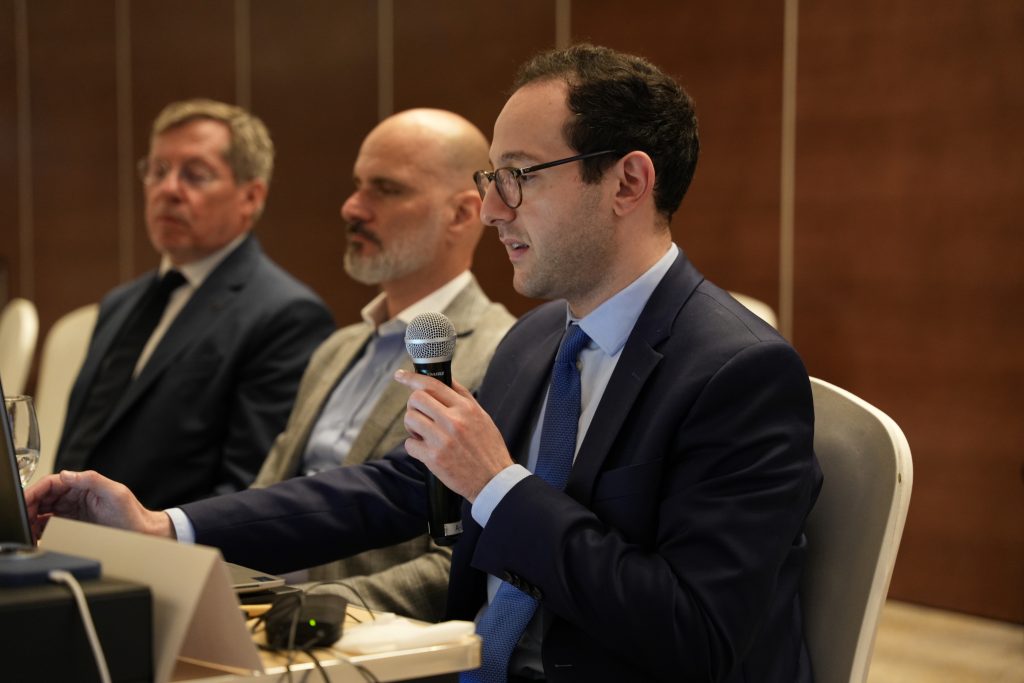
The workshop brings together policymakers, industry, and researchers to explore practical pathways for meeting rising demand while strengthening grid resilience and reducing reliance on fossil fuels. Key themes include technology options for cleaner power systems, policy frameworks that enable investment, and how countries can use existing infrastructure while scaling renewables.
Insights from the discussions will feed into upcoming International Energy Agency analysis to support informed, evidence-based decision-making across the region.